
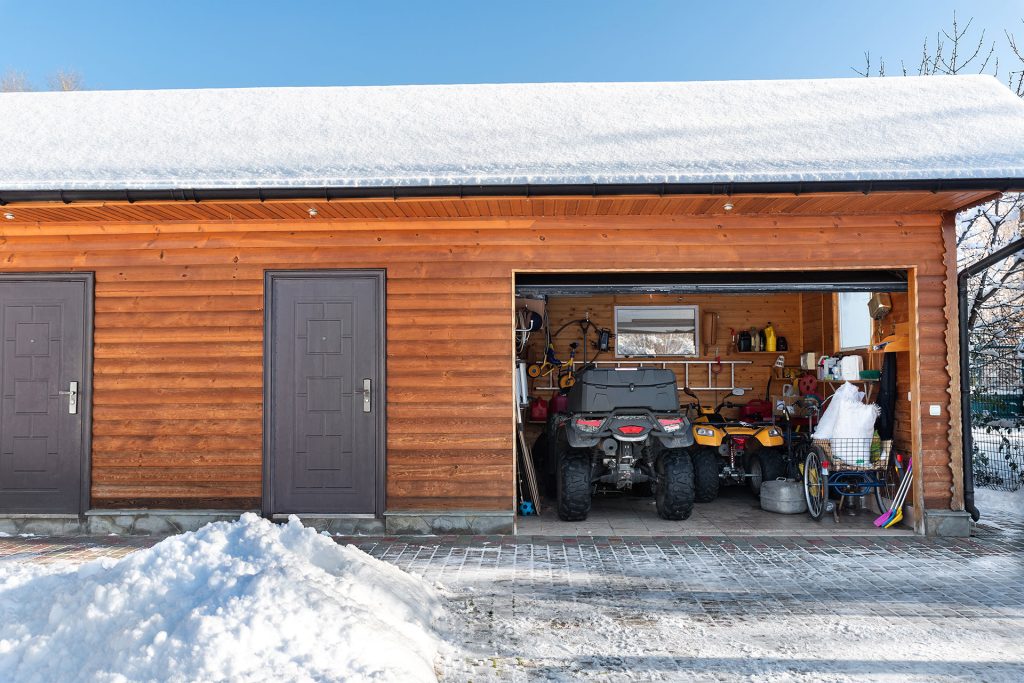
Pole Barns vs. Traditional Garages: Which Is Better for Missouri Weather?
Introduction
If you live in Southwest Missouri, you already know how unpredictable our weather can be — from summer storms to ice in January. When it comes to protecting your vehicles, tools, or farm equipment, the type of building you choose matters. Two of the most popular options are pole barns and traditional stick-built garages.
But which performs better in our region’s climate? In this guide, we’ll break down costs, durability, and timelines to help you decide what fits your needs — and your property.
Missouri Weather and Building Challenges
Missouri sits in the heart of Tornado Alley. That means structures must handle high winds, heavy rain, and fluctuating temperatures. Proper anchoring, insulation, and ventilation are critical whether you’re in Springfield, Nixa, or Branson.
Barndominiums, pole barns, and garages all face similar challenges — moisture buildup, foundation settling, and heat loss in winter. Your design choices determine how well your structure performs over time.
What Is a Pole Barn?
A pole barn (also called post-frame construction) uses large vertical posts buried in the ground or anchored to concrete piers. This system supports the roof and walls, eliminating the need for a traditional foundation.
Benefits of Pole Barns
- Lower construction cost
- Faster build times (2–4 weeks)
- Excellent wind resistance when properly braced
- Customizable size for workshops, RVs, or tractors
Drawbacks
- Less insulation than traditional garages
- Wood posts can rot over time if not treated
- May have lower resale value for residential lots
What Is a Traditional Garage?
Traditional garages use stick-frame construction with concrete foundations, wood studs, and full siding or brick exteriors. They’re ideal for homeowners who want their garage to match their home’s architecture.
Benefits of Traditional Garages
- Better insulation and energy efficiency
- Higher resale and appraisal value
- Longer lifespan with proper maintenance
- Can be attached or detached to main home
Drawbacks
- Higher cost per square foot
- Longer construction timeline
- Requires concrete slab and excavation
Cost Comparison: 2025 Pricing
In 2025, prices across Southwest Missouri remain competitive. Labor and materials are slightly up from 2024, but pole barns still cost significantly less to build.
Average 2025 Costs
- Pole Barn: $30–$70 per sq. ft. depending on insulation and finishes
- Traditional Garage: $70–$120 per sq. ft. for concrete, framing, and roofing
That means a 24×30 garage (720 sq. ft.) costs roughly $22,000–$50,000 for a pole barn vs. $50,000–$85,000 for a traditional structure.
Pro Tip: Always compare turnkey bids that include permits, concrete, and electrical. Some builders quote shell-only prices, which can be misleading.
Need help promoting your construction business online? Explore SEO Services in Springfield MO to grow visibility and leads.
Timeline & Build Speed
Pole barns can go up in as little as two weeks once materials arrive, while traditional garages usually take 6–8 weeks. Missouri weather — particularly spring rain — can add delays for concrete curing.
Typical Construction Order
- Site prep and permits (1–2 weeks)
- Foundation or post setting (1 week)
- Framing and roofing (1–3 weeks)
- Electrical and finishes (1–2 weeks)
Start construction in early fall or late spring for best results and fewer rain delays.
Durability & Maintenance in Missouri Climate
Missouri’s mix of humidity, snow, and thunderstorms means moisture control is key. Both building types can last decades if properly maintained, but they handle stress differently.
Pole Barns
- Metal siding resists rot and termites
- Posts must be pressure-treated or anchored above grade
- Roof screws need replacement every 10–15 years
Traditional Garages
- Better insulation prevents condensation
- Concrete foundation eliminates rot risk
- Requires exterior paint or siding maintenance
Common Mistakes & Red Flags
- Not grading site properly before construction
- Skipping vapor barriers or insulation
- Using untreated wood posts directly in soil
- No written warranty or unclear project scope
If a builder pressures you to “sign today” or refuses to show insurance, walk away.
Local Missouri Examples
In Springfield and Ozark, most rural homeowners choose pole barns for workshops or tractor storage. In Nixa and Republic, attached garages are preferred for residential properties with higher resale value.
Joe Yoders Construction has built both — from farm pole barns in Polk County to traditional brick garages in Christian County — all designed to handle Missouri’s weather extremes.
Pro Tips for Homeowners
- Get at least three bids — and check builder references.
- Insulate ceilings to prevent condensation in pole barns.
- Install gutters and downspouts to divert runoff.
- Ask about post-wrap or concrete pier systems for longevity.
Running a contracting business? Upgrade to Professional Web Hosting for lightning-fast websites that attract leads locally.
Also, boost your social reach with our Social Media Marketing Services to connect with homeowners across Southwest Missouri.
Ready to Build?
Whether you’re adding a workshop, garage, or storage space, contact Joe Yoders Construction for a free consultation today. We’ll help you choose the right structure for your property and Missouri’s unique weather patterns.
Key Takeaways
- Pole barns are cheaper and faster; garages offer better insulation and resale.
- Budget $30–$120 per sq. ft. depending on structure type.
- Both can handle Missouri’s weather if built correctly.
- Hire local, licensed builders familiar with post-frame or stick-built methods.
Explore more guides in our Southwest Missouri Building Advice section.
FAQs
How long does it take to build a pole barn?
Most pole barns in Missouri can be completed in 2–4 weeks, depending on weather and customization.
Which lasts longer — pole barn or traditional garage?
Both can last 40–60 years with proper maintenance, but traditional garages typically have longer lifespans due to their concrete foundations.
Can I insulate a pole barn?
Yes. Spray foam or fiberglass insulation helps regulate temperature and prevent condensation — a must in Missouri’s humid summers.
Author: Thomas McKee | Published by Thomas McKee Website Design & SEO Solutions
